
Blog
How to Make and Store Haylage for Long-Term Livestock Feed

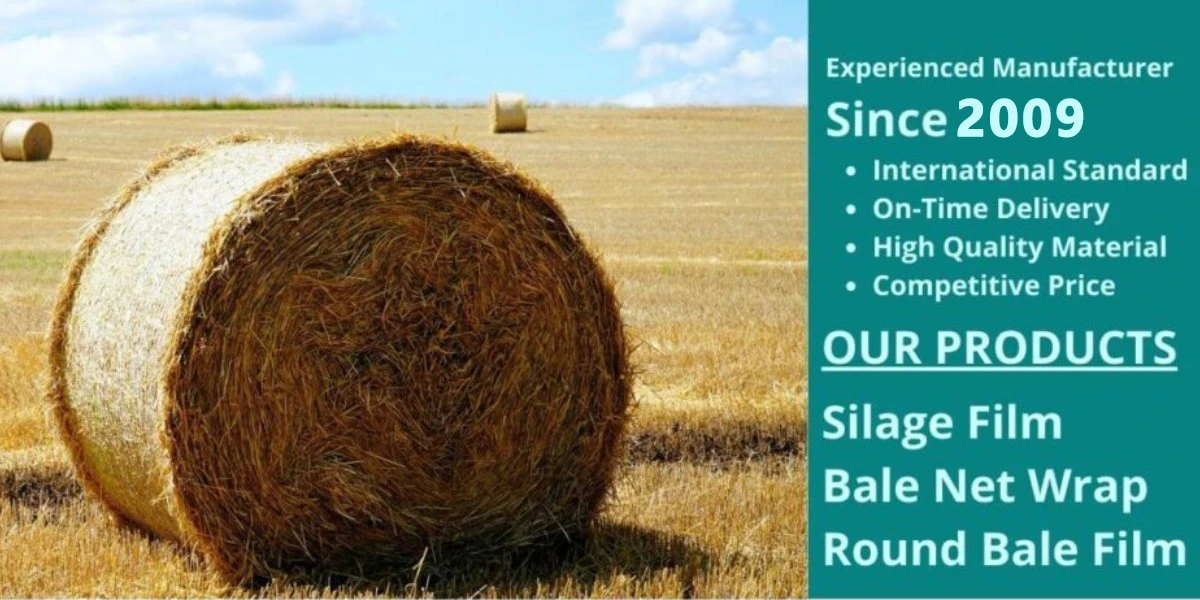
As the livestock industry’s demand for high-quality, low-cost feed continues to grow, a technology that effectively preserves the nutrients in forage and extends the feeding cycle – the production and storage of haylage – is garnering increasing attention from farmers and large-scale farms. Compared to traditional hay, haylage not only reduces dependence on favorable weather but also locks in up to 90% of the nutritional components, providing a crucial guarantee for year-round healthy livestock farming.
What is Haylage?
Haylage is a type of preserved green feed saved through a process of anaerobic fermentation. The principle involves chopping the forage at a specific moisture level, compacting it, and sealing it to create an environment where lactic acid bacteria ferment and produce an acidic condition, thereby inhibiting the activity of harmful microorganisms and enabling long-term preservation. This method is particularly suitable for regions or seasons with wet and rainy conditions where making high-quality hay is difficult.
Key Steps for Successful Haylage Production:
- Timely Harvesting: The ideal harvest window is usually when the forage is at peak vegetative growth to the early heading stage (for grasses) or early bud stage (for legumes), when dry matter content and nutritional value are optimally balanced. Controlling moisture content between 45% and 65% is crucial.
- Rapid Wilting and Appropriate Chopping: After cutting, wilt the forage quickly in the field to reach the target moisture range. Subsequently, chop the forage to 2-5 cm lengths to facilitate thorough compaction and fermentation.
- Efficient Compaction and Strict Sealing: Fill the chopped forage into silos, trenches, or use specialized plastic wrapping machines. The core step is high-intensity, layered compaction to expel air maximally. After compaction, immediately seal completely and meticulously using UV-resistant, high-density plastic sheeting to ensure the creation of an absolute anaerobic environment.
Key Management Points for Long-Term Safe Storage:
- Regular Inspection and Maintenance: During storage, regularly inspect the integrity of the covering film and promptly repair any tears or holes to prevent air and rainwater ingress.
- Scientific Feeding-Out Method: Once opened for use, follow the principle of “minimizing the exposed surface area.” Remove sections quickly and re-cover immediately to reduce secondary fermentation and spoilage.
- Quality Assessment and Safe Feeding: High-quality haylage should be yellowish-green with a strong, pleasant acidic aroma. Any moldy or putrid smelling material should be discarded immediately and not fed to livestock.
Industry Outlook:
Industry experts point out that promoting and mastering standardized forage silage technology is not only an effective strategy to cope with extreme weather and ensure stable feed supply, but also an important measure to promote the transformation and upgrading of animal husbandry towards cost saving, efficiency improvement, and high-quality direction. With the popularization of technology and the application of innovative packaging materials, forage silage is expected to play a more central role in the sustainable development of animal husbandry in the future.